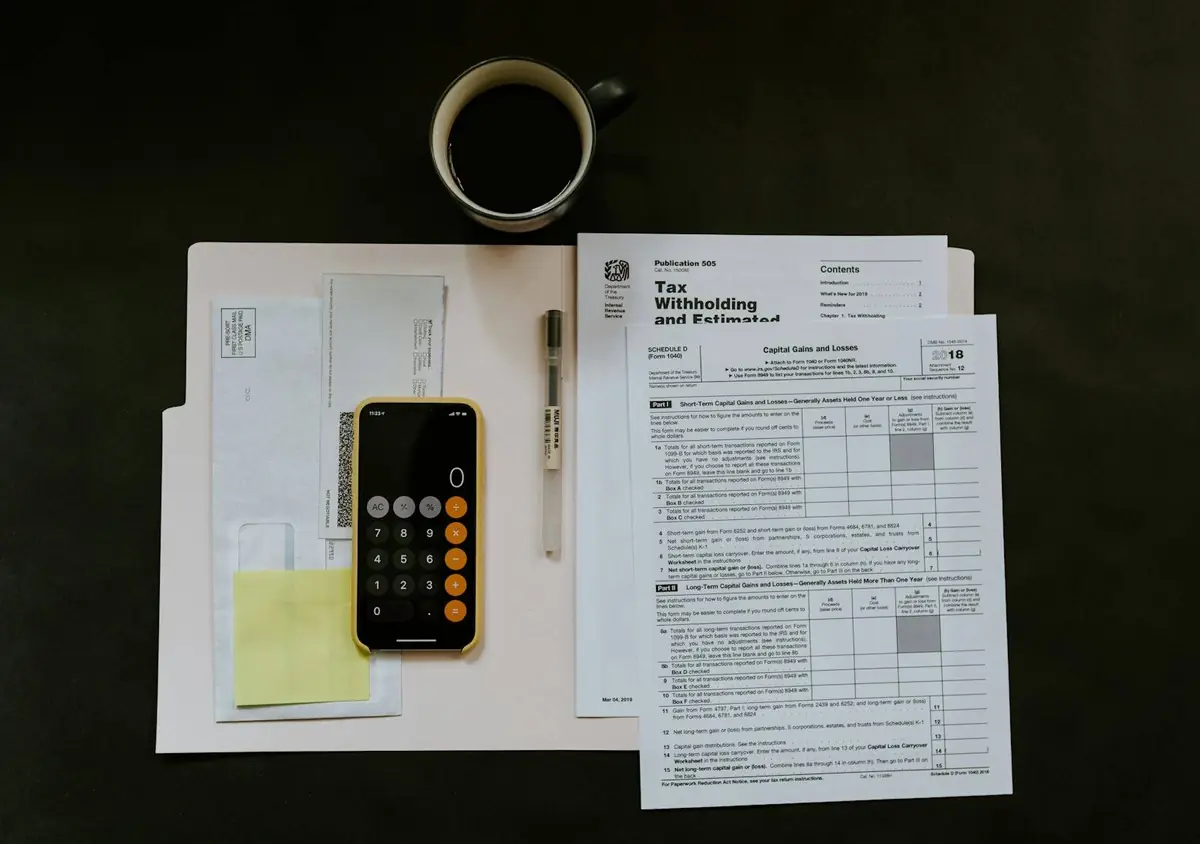
Kuehne Stanton's architecture studio needed a site as considered as their buildings. CPAs, attorneys, consultants — credibility-first design plus the structure machines trust, because your clients verify before they call.
This is the shape of a CPA build — fast, focused, wired to convert. It's a demo I made so you can see it, not a template I resell. Yours gets your work, your prices, your neighborhood.
Small business accounting · Uptown
Taxes handled.
Surprises cancelled.
Demo build — "Ledger & Vine CPA" is fictional. The craft is not.
Open · Certified public accountant
★★★★★ Tomás R. · small business owner
"First CPA who explained the numbers instead of just filing them."
Owner reply, same day: That's the whole point, Tomás. See you at quarterlies.
Photos fresh, services listed, hours never stale, every review answered — usually same day. And the part most people miss: an actively maintained profile is one of the three signals AI engines check before they'll say your name out loud.
Every finished job triggers an automatic, human-sounding follow-up through your CRM. Happy customers post; unhappy ones reply to you privately instead of going public. That's the whole trick.
Professionals get verified, not just reviewed — Google for reputation, LinkedIn for credentials. Both need to agree with your website, and all three need to agree with what AI engines can read.
Ledger & Vine CPA
to Tomás · after tax season wrapped
The quiet week after April 15th, Tomás
Returns filed, extensions handled, coffee consumption returning to normal. If this season felt different in a good way, a review helps other owners find an accountant who explains the numbers.
★ Leave a Google reviewMid-year planning call? Reply with a week that works.
Not a hypothetical — a real query type, every day. The answer depends entirely on whether your business is structured so AI can find and verify it.
Run the live test for your businessIllustrative demo — the homepage scanner asks a real AI engine, live.
CPAs, attorneys, architects, consultants — the buyer is careful by definition, and careful people research. Before the call they've read your bio, looked for credentials, checked the reviews, and probably asked an AI "CPA in Charlotte for small business taxes" to see if you come up. The website's job is to survive that scrutiny: a real bio with a face and the credentials as text (bar admissions, CPA license, AIA), practice-area or service pages that say what you do in the client's words ("S-corp tax planning," not "comprehensive solutions"), and the calm, considered design that signals the caliber of the work. Kuehne Stanton's architecture studio needed a site as considered as their buildings; that's the standard.
The search reality for professional services is that the head terms — "Charlotte attorney," "CPA near me" — are owned by firms with decades of authority and ad budgets. The winnable searches are specific: "estate planning attorney Matthews," "CPA for restaurants Charlotte," "residential architect Lake Norman." One well-written page per specialty ranks for those, and it's the page the AI cites when someone asks the specific question. Generic practice-area pages rank for nothing and get cited by no one.
Reviews are awkward in this category and still decisive. A firm with 30 recent Google reviews outranks an equally good firm with 4, and clients read them the way they read references. The ask has to be tasteful — after the engagement closes, by email, once — and the responses have to respect confidentiality. That's how the review system runs here: quieter, but running. And the Google profile: claimed, categorized precisely ("tax attorney," not "lawyer"), with the office photos and hours a client checks before driving over.
Architectural design studio — site, contact form, and email marketing that matches the caliber of their work.
Picking one scrolls you to the form with it filled in — you can still change your mind there. Full pricing lives on the homepage →
What's in Get Found, month by month: the Get Found page.
One build at a time — your project gets my full attention, not a junior team juggling twelve accounts. One invoice: no payroll, no benefits, no agency markup, and you can cancel anytime. I'm local to Charlotte — not an agency reselling your project overseas. You get the agency-style website at about half the agency price.
Every referral Googles you before calling. The site's job is to not lose the client you already earned — and increasingly, to be verifiable when AI engines get asked for recommendations.
$1,500–$3,500 for the build depending on practice areas, $850/mo+ for Get Found if you want to own your specialty's local searches.
Not soon — those are owned by firms with decades of authority and ad budgets. What a small firm can rank for is the specific search: "estate planning attorney Matthews," "CPA for restaurants Charlotte," "residential architect Lake Norman." One real page per specialty wins those, and they're the searches with a client behind them.
Yes, handled carefully. Clients choose between equally credentialed firms on reviews, and AI engines read them before naming a firm. The ask is once, by email, after the engagement closes; the responses never confirm details or the nature of the work. Quiet, but running.
Restraint and specifics. Real faces, credentials as text, practice pages in the client's words rather than "comprehensive solutions," fast load, no stock photos of handshakes. The site is the first sample of your judgment a client sees — it should read like your work.
Different question? Same-day answer.
Tell me what you needNot a CPA?
No newsletter signup, no drip campaign, no junior rep calling you "buddy." You've seen the prices — this goes straight to me.
 Lucas
Lucas