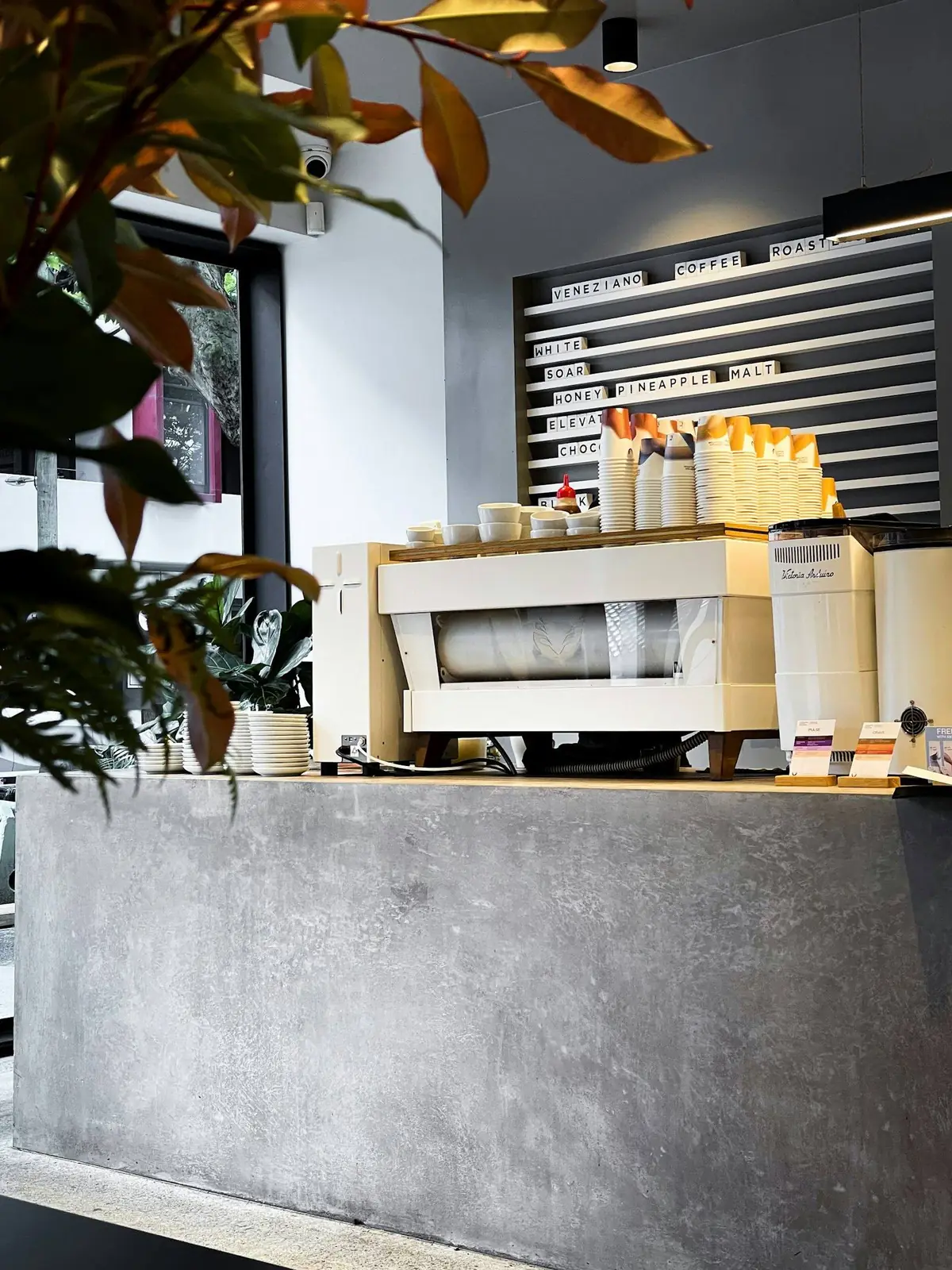
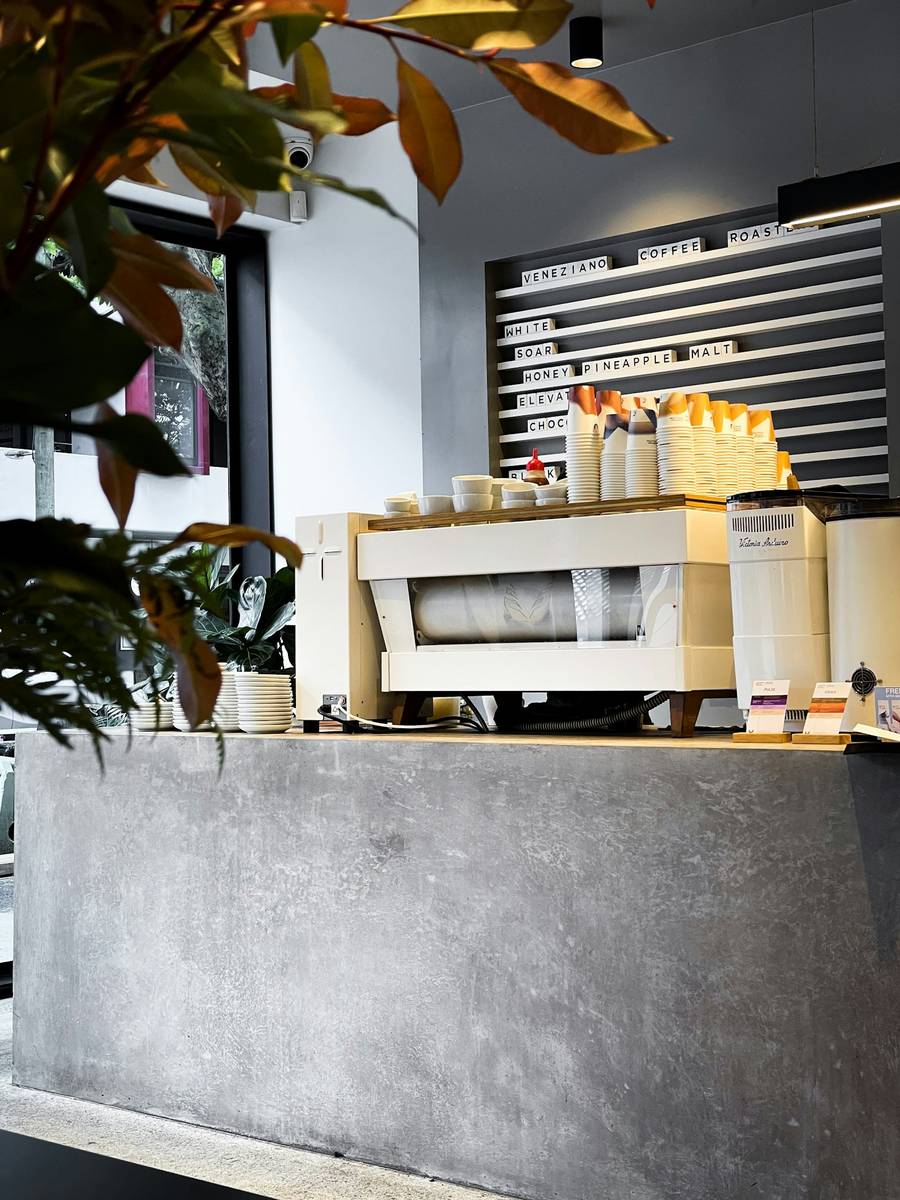
Menus that open instantly on a phone, hours that are never stale, and schema markup that puts your dishes in the answer box when someone asks what's good nearby.
This is the shape of a restaurant build — fast, focused, wired to convert. It's a demo I made so you can see it, not a template I resell. Yours gets your work, your prices, your neighborhood.
NoDa · roasted in-house · open 7 days
Coffee worth
crossing town for.
Demo build — "Camp North Coffee Co." is fictional. The craft is not.
Open · Coffee shop
★★★★★ Priya N. · NoDa
"The cortado converted me. Wednesday trivia is a bonus."
Owner reply, same day: Team name of the week gets a free refill, Priya.
Photos fresh, services listed, hours never stale, every review answered — usually same day. And the part most people miss: an actively maintained profile is one of the three signals AI engines check before they'll say your name out loud.
Every finished job triggers an automatic, human-sounding follow-up through your CRM. Happy customers post; unhappy ones reply to you privately instead of going public. That's the whole trick.
Locals check Google, visitors check Yelp and Tripadvisor. A restaurant needs all three fresh — stale hours on any of them costs covers.
Camp North Coffee Co.
to Priya · the morning after trivia night
Did the team pull off the win, Priya?
Thanks for closing out trivia night with us. If Camp North's your spot now, a review helps other NoDa folks find us before the line does.
★ Leave a Google reviewMenu wish? Reply — the kitchen actually reads these.
Not a hypothetical — a real query type, every day. The answer depends entirely on whether your business is structured so AI can find and verify it.
Run the live test for your businessIllustrative demo — the homepage scanner asks a real AI engine, live.
A restaurant website has three jobs, and most in Charlotte fail all three: show the menu instantly (as text, not a PDF that takes twelve seconds and a pinch-zoom), show today's hours correctly, and get the person to the door — directions, reservation, or order link, one tap. Everything else is decoration. The searches are "brunch near me," "best tacos south end," "coffee shop plaza midwood open now" — from a phone, on the sidewalk, hungry. The site that answers in a second wins; the one with the auto-playing video and the PDF menu loses to the place next door.
The part that's new: when someone asks ChatGPT or Gemini "where should I get dinner in NoDa," the answer comes from what the engine can read and verify — your menu as structured data (dish names, prices, dietary tags), your hours from a Google profile that matches the site, and recent reviews across Google and the platforms diners actually use. A menu that only exists as an image is invisible to that whole conversation. Structured menu markup is the single most-skipped thing in restaurant websites, and it's the thing that puts your dishes in the answer.
Hours are the other silent killer. Holiday hours, a Monday closure, a kitchen that stops at nine — if the site and the Google profile disagree, Google trusts neither and a customer drives to a locked door and leaves a one-star. So the Google profile gets maintained weekly with the site, photos from this week's plates, and every review answered — the good ones especially, because that's what the next table reads.
Picking one scrolls you to the form with it filled in — you can still change your mind there. Full pricing lives on the homepage →
What's in Get Found, month by month: the Get Found page.
One build at a time — your project gets my full attention, not a junior team juggling twelve accounts. One invoice: no payroll, no benefits, no agency markup, and you can cancel anytime. I'm local to Charlotte — not an agency reselling your project overseas. You get the agency-style website at about half the agency price.
Busy tonight isn't busy in January. The restaurants that survive slow seasons are the ones findable beyond their regulars.
$1,500 simple, $3,500 with reservations/ordering wired in. If you're spending more than that on one month of a bad third-party ordering commission, we should talk.
No. A PDF takes seconds to load on a phone, needs pinch-zoom, and is invisible to Google and AI engines — your dishes can't appear in an answer if they only exist as an image. The menu goes on the site as text, with structured data (dish, price, dietary tags), and gets updated in one place when prices change.
One source of truth on the site, synced to your Google Business Profile, and a habit of setting holiday hours a week before the holiday. When the site and Google disagree, Google trusts neither, and a customer drives to a locked door. I maintain the profile weekly as part of Get Found; for a restaurant it's the highest-value hour of the month.
More than most trades — diners read them before every first visit, and AI engines read them before naming you. Every review answered (the good ones especially), across Google, Yelp and the platforms your diners use, and a polite automatic ask after a reservation or order. No incentives, no filtering, which is Google's rule.
Different question? Same-day answer.
Tell me what you needNot a restaurant?
No newsletter signup, no drip campaign, no junior rep calling you "buddy." You've seen the prices — this goes straight to me.
 Lucas
Lucas